Things to Do in Azerbaijan
Where mud volcanoes bubble and the Caspian wind smells of pomegranates
Top Things to Do in Azerbaijan
Find activities and tours you'll actually want to do. Book through our partners -- no booking fees.


Plan Your Trip
Essential guides for timing and budgeting
Climate Guide
Best times to visit based on weather and events
View guide →Day Trips
The best excursions and nearby destinations worth the journey
Explore day trips →Where to Stay
Best neighbourhoods, hotel picks, and booking tips
Find hotels →Travel Insurance
What's required, what coverage matters, and how to get a quote
Read guide →What to Pack
Climate-specific gear, essentials, and what to leave at home
See packing list →When Should You Visit Azerbaijan?
Tap a month for weather, crowds, and highlights
View full year-round climate guide →Your Guide to Azerbaijan
About Azerbaijan
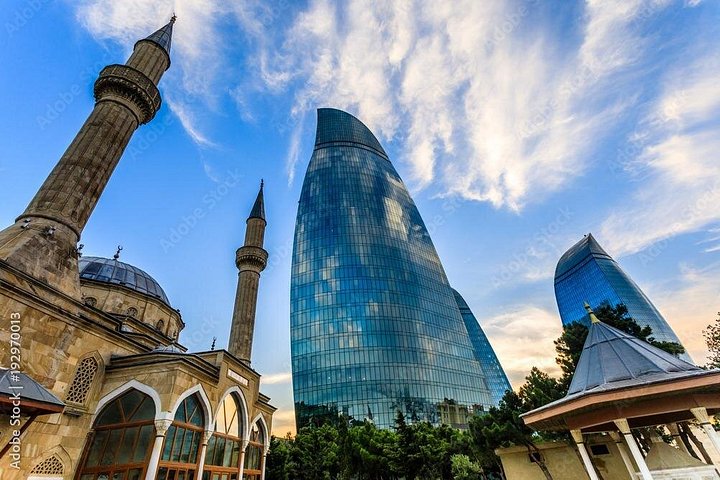
Azerbaijan greets you with diesel fumes and sun-baked clay the second you step off the plane in Baku. Flame Towers flicker above Icheri Sheher's medieval walls, where carpet merchants still unroll silk under the 12th-century Maiden Tower. Walk north on Neftchilar Avenue for fifteen minutes and Soviet brutalism appears, concrete blocks painted turquoise, then Parisian curves of Nizami Street, stilettos clacking past tea houses serving jam-thick black chai in pear-shaped glasses.
The real magic lies an hour south in Gobustan, where 40,000-year-old petroglyphs overlook mud volcanoes that gurgle like the earth has indigestion. Up in the Caucasus foothills, Sheki's khans' palace shimmers with 5,000 hand-cut pieces of colored glass, and a plate of piti costs 8 manat ($4.70) at a roadside caravanserai that once hosted Silk Road traders.
Summer heat hits 38°C (100°F) and turns Baku's stone courtyards into pizza ovens. Yet that same heat sweetens grapes that become surprisingly good 3 manat ($1.75) bottles of red wine in roadside markets. Zoroastrian fire temples still burn from natural gas vents. Tea arrives with every meal whether you asked or not. Mountains meet the sea with casual grandeur. You will understand why empires have fought over this tiny country for 3,000 years.
Travel Tips
Transportation: Baku's metro costs 0.30 manat (18¢) per ride and connects the airport to city center via the Aeroexpress (2 manat/$1.20). Outside the capital, shared taxis called marshrutkas rule, expect 2-5 manat ($1.20-$3) for hour-long journeys between cities. Drivers leave when full, never on schedule. Download the Bolt app for reliable rides in Baku. Traditional taxis quote 20 manat ($12) for a 5 manat ($3) journey. For day trips to Quba or Gabala, negotiate a taxi driver for the whole day, $40-50 beats multiple marshrutka transfers.
Money: Azerbaijan runs on cash more than you expect. Manat (AZN) is the currency, bring crisp USD or EUR to exchange at authorized booths (look for 'Milli Bank' signs) rather than hotels. ATMs work but charge 3-5% fees. A coffee costs 2-3 manat ($1.20-$1.75), a full meal 8-15 manat ($4.70-$8.80). Credit cards work at mid-range restaurants and hotels. Street food vendors and small guesthouses are cash-only. Exchange a little at the airport (rates are fine) then hit the booths along Nizami Street for better rates on larger amounts.
Cultural Respect: Azerbaijan is secular Muslim yet socially liberal, short sleeves are fine everywhere. But cover shoulders and knees when visiting mosques like the Taza Pir. Tea culture is serious business. Accept when offered. Hold the glass by the rim, never the hot base. Never refuse refills. When dining, wait for the host to say 'yeyirik' before starting. The biggest faux pas? Using your left hand for eating or handshakes. Learn three words, salaam, sağ ol, nə xəbər, and watch doors open like magic.
Food Safety: Street food is safer than you fear. Follow locals. The lamb kebabs at Teze Bazaar in Baku turn over fast and cost 3-4 manat ($1.75-$2.35). Skip sliced watermelon sold by the roadside, it's been sitting in the heat. Bottled water is 0.50 manat (30¢) everywhere. Tap water is technically safe but tastes metallic. In Sheki, try piti at the caravanserai restaurant, it's been boiling for hours in sealed clay pots, making it naturally safe. Eat where families with kids eat. If toddlers are chowing down, you're golden. The honey at roadside stands is raw and standout, $5-8 per jar.
When to Visit
April through June and September through October hit the sweet spot, temperatures hover at 20-25°C (68-77°F) in Baku and 15-20°C (59-68°F) in the Caucasus mountains. These shoulder months see hotel prices drop 30-40% from summer peaks, and you can walk Nizami Street without melting into the pavement.
July and August turn Baku into a 35-38°C (95-100°F) sauna, yet mountain towns like Gabala stay pleasant at 22-25°C (72-77°F), good for hiking Shahdagh. This is also apricot season. Roadside stands overflow with golden fruit for 2 manat ($1.20) per kilo.
November through March brings 5-10°C (41-50°F) temperatures and frequent rain in Baku, yet it's the only time you'll see snow-capped peaks while drinking tea by the Caspian. Hotel prices crater, expect 50-60% off summer rates. December's pomegranate harvest means fresh juice everywhere for 1 manat (60¢) a glass.
March 20-21 brings Novruz Bayram, the Persian New Year, expect fire-jumping ceremonies, special pastries, and prices jumping 25% as domestic tourists travel. The Formula 1 Grand Prix in September triples hotel prices in Baku but brings memorable nightlife energy.
Budget travelers: come October or March for empty sites and cheap guesthouses. Luxury seekers: May or September for perfect weather without the summer crowds. Families: June offers warm Caspian waters (22°C/72°F) without the July intensity. Solo travelers: April and September strike the balance of decent weather and interesting company at hostels.
Frequently Asked Questions
What Is the Most Beautiful City in Azerbaijan?
Sheki, located in the foothills of the Greater Caucasus about 300 km northwest of Baku, consistently tops the list with its pastel-colored old town, centuries-old caravanserais, and the impressive Khan's Palace adorned with intricate stained glass. The cobbled streets and surrounding walnut forests make it a standout, though coastal Lankaran and mountain-backed Gabala are close runners-up depending on whether you prefer seaside or alpine scenery.
Where Can I Find a Detailed Azerbaijan Tourism Map?
The Azerbaijan Tourism Board's official website offers downloadable PDF maps covering Baku and regional attractions, while physical copies are available free at the tourist information center on Nizami Street in central Baku. For hiking and rural areas, pick up the Caucasus 1:200,000 topographic series at the Dom Knigi bookstore on Fountain Square, digital navigation can be spotty outside major cities.
What Makes Sheki City Worth Visiting?
Sheki is Azerbaijan's crafts capital, famous for the 18th-century Khan's Palace with its jaw-dropping shebeke (stained glass mosaics assembled without glue or nails) and two active caravanserais where you can still stay overnight. The local piti (lamb stew cooked in clay pots) and halva workshops are as much a draw as the silk road history, budget a full day to explore the old town and nearby Kish Albanian Church, dating to the first century.
What Is Garasu Volcano and Can I Visit It?
Garasu is one of Azerbaijan's many mud volcanoes, slow-bubbling mounds of cool gray sludge, located about 15 km southwest of Gobustan near the Caspian coast. It's accessible by hired taxi from Gobustan (₼30-40 round trip, roughly $18-24) and makes a good add-on after seeing the Gobustan petroglyphs. The landscape is otherworldly but bring sun protection, as there's zero shade on the barren moonscape.
What Are the Best Things to Buy in Azerbaijan?
Handwoven carpets from the Taza Bazaar or Carpet Museum shop in Baku are the classic souvenir, expect to pay $200-2,000 depending on size and knot density. Pomegranate-based products (wine, sauce, molasses) from Goychay, saffron from Absheron, and intricate copperware from Lahij village are all excellent. The Old City's artisan workshops offer better quality than airport duty-free, though bargaining is expected at markets.
What Is the Nightlife Like in Azerbaijan?
Baku's nightlife rivals Istanbul, with rooftop cocktail bars along the Boulevard (try Chinar or 360 Bar for Caspian views), thumping clubs in the Fountain Square area open until 4-5 AM, and jazz lounges like Liniya tucked in the Old City's stone alleys. Outside Baku, nightlife thins dramatically, Gabala and Ganja have a few hotel bars. But smaller cities quiet down after 10 PM; most socializing happens over long dinners at chaykhanas (teahouses).
What Is Besh Barmag Mountain and Why Is It Significant?
Besh Barmag (Five Finger Mountain) is a rocky 520-meter peak about 90 km north of Baku on the Caspian highway, sacred to both Muslims and Zoroastrians who tie prayer ribbons to the summit shrine. The roadside stop is impossible to miss, dozens of pilgrims climb the steep 30-minute trail daily, and the views over the coastal plain are spectacular. Locals believe wishes made here come true, so bring a small cloth strip to tie if you want to participate.
Where Is Mount Shahdagh and What Can I Do There?
Shahdagh (4,243 meters) anchors Azerbaijan's premier ski resort in the far north near the Russian border, about 3.5 hours' drive from Baku. The Shahdagh Mountain Resort offers skiing and snowboarding December through March (day pass around ₼50-70/$30-42), then pivots to hiking, ziplining, and mountain biking in summer. Accommodation ranges from Soviet-era guesthouses in Laza village to the upscale Park Chalet hotel at the resort base.
Does Azerbaijan Have Good Beaches?
The Caspian coast offers more quantity than quality, Nabran, about 200 km north of Baku, has the best sandy stretches with family-friendly resorts, though the water can be murky. Baku's own beaches (Shikhov, Zagulba) are convenient but crowded and not clean. Serious beach seekers head to Lankaran in the south for quieter, greener coastal zones, though Azerbaijan isn't a classic beach destination compared to Turkey or Georgia's Black Sea.
What Is the Natural Fire in Baku?
Yanar Dag (Burning Mountain) is a 10-meter-wide natural gas fire that's blazed continuously on a hillside 25 km northeast of Baku for at least 70 years, fueled by underground gas seepage. It's most dramatic after sunset when the flames are visible from the road. Taxis from Baku run about ₼25-30 ($15-18) round trip, and it pairs well with the Ateshgah Fire Temple for a half-day 'eternal flames' tour, both sites reflect Azerbaijan's ancient Zoroastrian fire-worship heritage.
What Are Some Offbeat Things to Do in Baku?
Skip the Flame Towers photo op and explore the crumbling Soviet mosaics at the Neftchilar (Oil Workers) metro station, hunt for vinyl at the underground Sahil bazaar beneath 28 May Street, or join locals for pre-dawn tea and fresh tandir bread at the Taza Bazaar. The Miniature Book Museum in the Old City (free entry, closes at 5 PM) holds 7,000 tiny volumes including a Quran the size of a grain of rice, and the derelict Russian Fort ruins above Bayil offer sunset views without the tourist crowds.
Where Is the Miniature Book Museum and What's Inside?
This quirky single-room museum sits on a quiet lane inside Baku's Old City (Icherisheher), free to enter and curated by a passionate collector who's amassed over 7,000 tiny books from 70 countries. Highlights include a thumbnail-sized Chekhov, a Quran visible only under magnification, and miniature atlases from the 19th century. The curator often greets visitors personally and speaks excellent English, it's a five-minute detour that book lovers and families with curious kids enjoy.
What Are the Best Cities to Visit in Azerbaijan Besides Baku?
Sheki leads for history and mountain scenery, Gabala appeals to families with its resort hotels and adventure parks, and Ganja, Azerbaijan's second city, offers Persian architecture and the blue-tiled Juma Mosque without Baku's prices. Lahij, a remote coppersmith village in the Caucasus foothills, feels frozen in the 18th century, while Lankaran near the Iranian border combines Talysh culture, tea plantations, and the Hirkan National Park's subtropical forests. Each is reachable by marshrutka (shared minivan) or hired driver.
What Is Baku Most Famous For?
Baku built its reputation on oil, it fueled half the world's supply in the early 1900s, creating the Beaux-Arts wealth visible in mansions along Nizami Street and the seafront Boulevard. Today it's known for the ultra-modern Flame Towers skyline, the UNESCO-listed Old City (Icherisheher) with its Maiden Tower, and hosting Formula 1's Azerbaijan Grand Prix each June. The city blends Parisian elegance, Soviet grit, and Gulf-style futurism in a way you won't find anywhere else.
Can You Go Paragliding in Baku?
Tandem paragliding operates from the hills above Khyrdalan suburb, about 30 km north of central Baku, with flights running March through November when wind conditions allow (₼100-150/$60-90 for 15-20 minutes). Book through operators like Baku Paragliding Club or Azerbaijan Adventure Sports, who provide transport from the city. The Caspian coastline views are exceptional, though flights occasionally cancel due to high winds, so confirm the day before.
How Much Time Should I Spend in Azerbaijan?
A week gives you a solid taste: three days in Baku for the Old City, Flame Towers, and Gobustan petroglyphs, two days in Sheki exploring the Khan's Palace and nearby villages, plus day trips to Yanar Dag or the Absheron Peninsula mud volcanoes. If you're adding the Caucasus hiking around Lahij or Khinalug, or exploring the southern Talysh region near Lankaran, budget 10-12 days, internal travel can be slow, and the country rewards those who venture past the capital.
Is Azerbaijan Safe for Solo Travelers?
Azerbaijan is very safe by regional standards, with low violent crime and a visible police presence in cities. Solo women travelers report feeling comfortable, though conservative dress (covered shoulders and knees) helps in rural areas and religious sites. The main cautions are avoiding the Armenian border regions (active conflict zones) and watching for aggressive drivers in Baku. Scams are rare, though taxi drivers may overcharge foreigners without a metered ride or Bolt app fare.
What's the Best Time of Year to Visit Azerbaijan?
Late April through June and September through October offer the best balance, warm days (18-25°C), green landscapes, and fewer crowds than high summer. July-August hits 35-40°C in Baku and the lowlands (brutal for sightseeing), though it's good for Caucasus mountain escapes like Gabala or Khinalug; winter (December-February) is cold and gray in Baku but good for skiing at Shahdagh or Tufandag resorts, and you'll have UNESCO sites almost to yourself.
Do I Need a Visa to Visit Azerbaijan?
Most visitors can get an e-visa online (ASAN Visa system) for $20, processed in three business days, valid for 30 days, citizens of Turkey, Russia, and several CIS countries enter visa-free. Americans, Europeans, and Australians all qualify for the e-visa; you'll need a passport valid six months beyond travel dates and proof of onward travel, though border checks are typically quick and professional at Baku's Heydar Aliyev International Airport.
More Ways to Experience Azerbaijan
Tours, day trips, and local experiences curated by on-the-ground operators.
Didn't see anything interesting yet?
Browse Viator's full catalog of tours, day trips, food experiences, and private guides in Azerbaijan.
See All Azerbaijan Tours on Viator